
Journal · Sculpture
The Language of Sculpted Memory: A Conversation with Samuel Salcedo
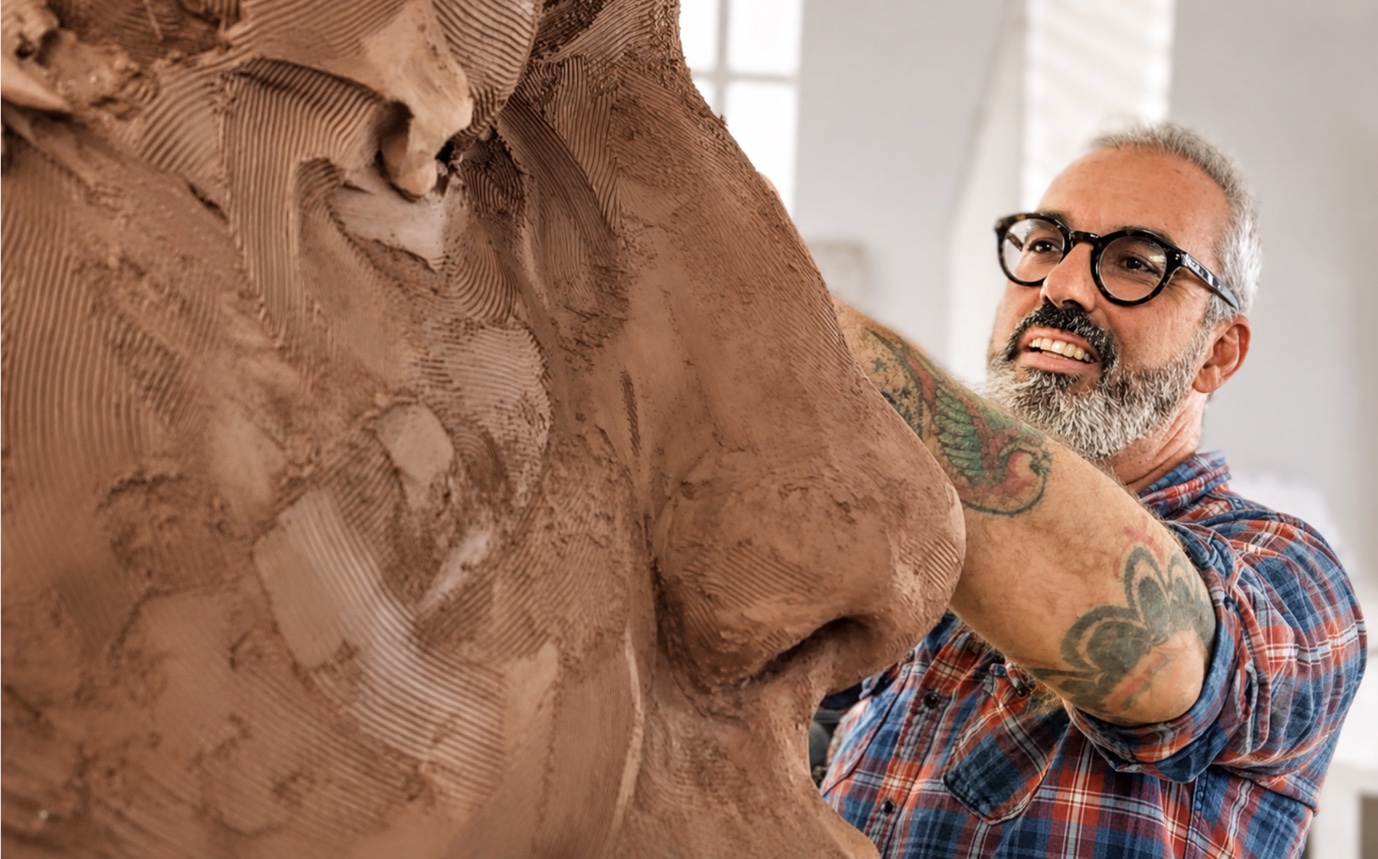
Samuel Salcedo, born in Barcelona in 1975, is a sculptor whose evocative works capture the complex essence of human emotion. Operating from his studio in close proximity to the city, Salcedo's artistic journey is one of continuous, organic evolution. In a recent sit-down for the Barcelona Artists website, powered by Artistivo, the artist provided a profound glimpse into his mind, revealing how a shift in medium radically altered the meaning of his art.
From Canvas to Concrete
Salcedo did not begin his career with clay or iron; instead, he studied painting. In his early career, he created realistic paintings exclusively on stark white canvases without painting any backgrounds. Eventually, he began to cut the surfaces of his paintings into distinct shapes, a process that organically grew into three-dimensional volume. Today, he is wholly dedicated to the language of sculpture, finding that a simple change in material provides a massive leap in how he conveys meaning.
The Metaphor of Materials
At the core of Salcedo's work is a deep-seated desire to communicate. He views human faces and bodies as primary instruments for conveying feelings, thoughts, and the very essence of life. For Salcedo, the materials he chooses are just as expressive as the large-scale faces he sculpts.
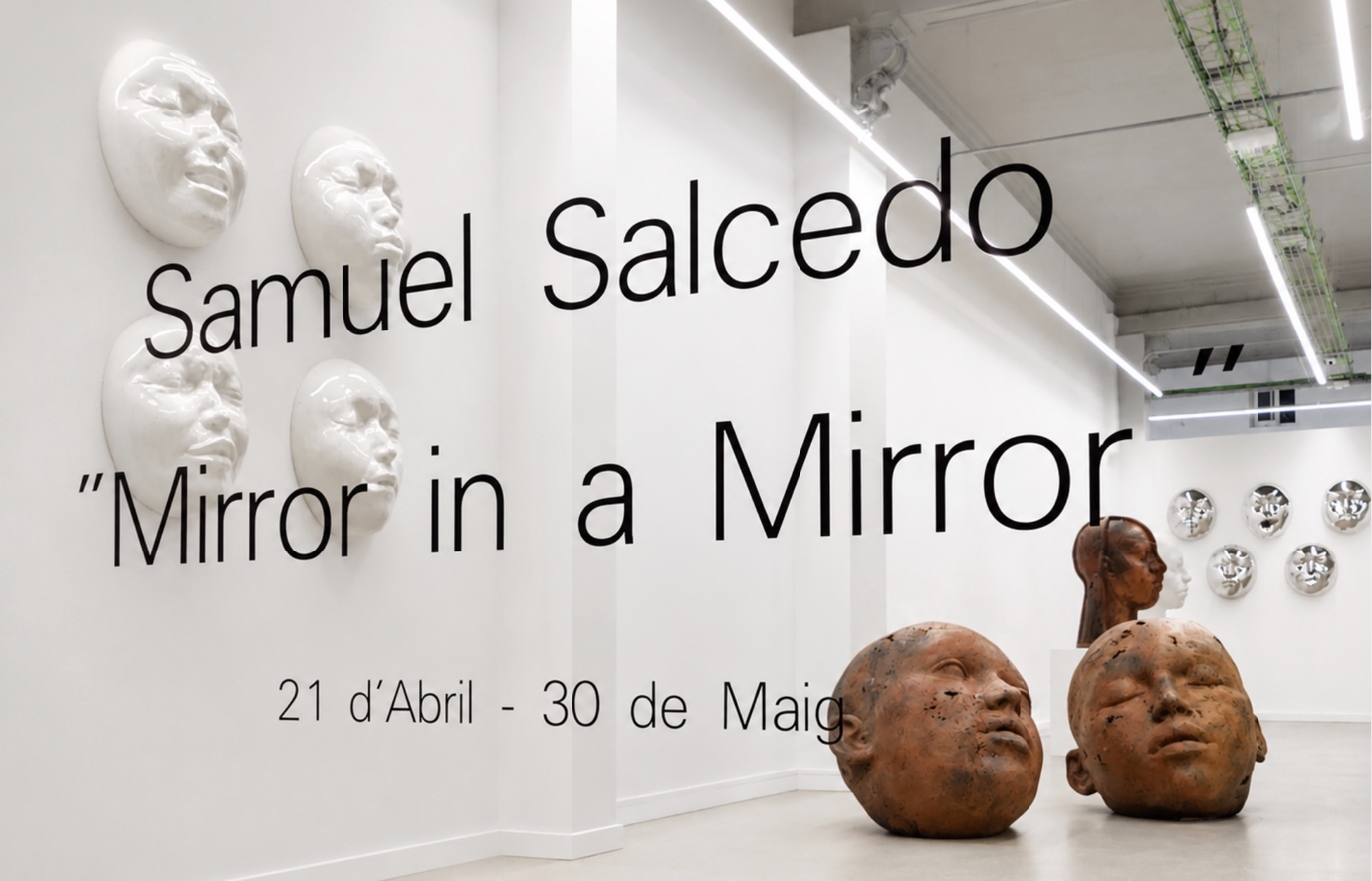
He frequently works with industrial iron, embracing the unpredictable accidents of the foundry and the natural rusting process caused by rain. This rust serves as a powerful metaphor, capturing the "memory of the time" and reflecting how life's experiences are written directly onto our skin. Similarly, he employs concrete — a material traditionally used to build houses — to construct human heads. By doing so, he prompts viewers to consider the memories, histories, and lives that reside "inside".
Catalan Roots and Irreverence
Living and working in Catalunya has significantly shaped Salcedo's artistic worldview. While he acknowledges the heavy weight of local artistic traditions and schools in Barcelona, he infuses his traditional craftsmanship with a distinctly Catalan sense of humor. He draws direct inspiration from cultural staples like the "big heads" and giants seen at traditional street parties, seamlessly balancing the traditional with the irreverent. He draws further inspiration from cinema, comics, and prominent contemporary artists like Antony Gormley and Georg Baselitz, always striving to synthesize these influences into a singular, personal artistic language.
An Unconventional Process
Uniquely, Salcedo is largely self-taught in the specific discipline of sculpture. He believes that while academic studies can provide useful knowledge, they can also stifle an artist's ability to invent their own language. Overly trained artists, he notes, often focus too much on showing off their technical studies rather than conveying true, intense meaning.
Instead, he embraces a fluid, unorganized creative process akin to his background in painting, where adding and erasing is easy. He constantly alters the meanings of his works as he navigates working with clay, molds, and sanding, thriving in the tension and enjoying the act of getting "lost a little bit everywhere".
Redefining Success
In an age where fame is often measured by social media virality — where, as he jests, one might have to do "TikToks" to be famous — Salcedo's definition of success is refreshingly grounded. True success, in his eyes, is simply having the time to dedicate to his craft and to try to do his best work. As his monumental sculptures continue to travel across galleries and museums, Salcedo remains happily immersed in his unpredictable journey of creation, carving the memory of our lives into iron and concrete.